Crucial Advice for Learning Canine Educating in your home
Mastering pet dog training at home calls for a calculated method. Uniformity, positivity, and persistence are essential parts. Establishing a regular helps produce a complacency for the pet dog. Utilizing positive reinforcement develops depend on and communication. Lots of proprietors have a hard time with maintaining interest and interaction during training sessions. Recognizing how to browse these challenges can bring about extra effective training results. What approaches could be most valuable in conquering these typical barriers?
Develop a Consistent Routine
When training a canine, developing a consistent routine is crucial for cultivating good behavior and a strong bond between the owner and family pet. A structured routine supplies pets with a complacency, helping them understand what to anticipate every day. Normal feeding times, workout, and training sessions create a predictable atmosphere, which can minimize stress and anxiety and advertise a sense of stability.
Proprietors need to intend to incorporate everyday tasks at the exact same time to strengthen this regimen. Early morning strolls, playtime, and training exercises should take place consistently. Furthermore, including commands and hints during these activities can better boost understanding.
Usage Favorable Support
A regular routine lays the foundation for effective training, however the approaches utilized during training sessions considerably influence a dog's discovering experience. Positive reinforcement arises as a powerful tool fit wanted behaviors. This approach entails rewarding a dog for showing certain actions, properly motivating them to repeat those behaviors (Dog Training Near Me). Incentives can include deals with, appreciation, or playtime, developing a positive organization with the activity performed
Making use of positive support cultivates a bond of count on in between the canine and instructor, improving interaction and understanding. It is vital to provide incentives promptly after the desired habits to reinforce the connection. Consistency in using this strategy assures the pet dog can plainly connect the actions with the reward. In addition, preventing penalty or negative reinforcement can lead to a much more enthusiastic and certain learner. By concentrating on positive reinforcement, fitness instructors can develop a supportive atmosphere where canines thrive and find out effectively.
Keep Training Procedure Short and Enjoyable
Effective canine training calls for keeping sessions brief and engaging to maintain the pet's attention and excitement. Generally, sessions ought to last no more than 10 to 15 minutes, as canines have actually restricted attention spans. By concentrating on brief intervals, instructors can stop irritation for both the pet dog and the trainer, improving the finding out experience.
Incorporating play and positive interactions into training can make sessions pleasurable. Using toys, treats, or praise as benefits not only motivates the dog but also reinforces the bond between the pet and trainer. Changing tasks regularly can also aid maintain the pet's passion active, as different jobs boost psychological interaction.
Finishing each session on a positive note, such as celebrating a small triumph, ensures the canine associates training with enjoyable. Eventually, maintaining training sessions pleasurable and short promotes reliable learning and strengthens the general training process.
Set Realistic Goals
Establishing practical goals is essential for effective canine training. Trainers need to begin by reviewing their pet dog's present skills and behavior tendencies, permitting them to develop attainable purposes. For example, as opposed to going for intricate commands, starting with standard cues like "rest" or "stay" can promote a feeling of success.
Furthermore, damaging down bigger goals into smaller sized, manageable steps aids maintain motivation for both the trainer and the canine. This technique additionally enables modifications in the process, guaranteeing that difficulties do not come to be overwhelming.
It is important to identify that each pet dog finds out at its very own pace; perseverance is vital. Keeping expectations based helps prevent disappointment and motivates regular development. Dog Training Near Me. To conclude, establishing realistic objectives not only enhances the training experience yet additionally enhances the bond in between the pet and the instructor, resulting in a much more unified and effective training journey
Mingle Your Pet
Attaining reasonable training goals prepares for a well-shaped pet dog, however socialization plays a significant duty in a pet dog's advancement. Mingling a dog involves revealing it to various atmospheres, people, and other pets, which assists to build self-confidence and decrease anxiousness. Early socialization, preferably in between 3 and fourteen weeks old, is essential for forming a pet dog's habits and personality. This direct exposure enables canines to find out ideal interactions and create vital social skills.
Owners should present their canines to various circumstances progressively, making sure each experience is satisfying and positive. Checking out parks, going to puppy courses, or arranging playdates with other canines can facilitate these interactions. Furthermore, learning and observing various other pet dogs from their habits can better boost a dog's social abilities. Eventually, positive and regular socialization cultivates a well-adjusted dog that pleasantly browses different social setups throughout its life.
Hold Your Horses and Relentless
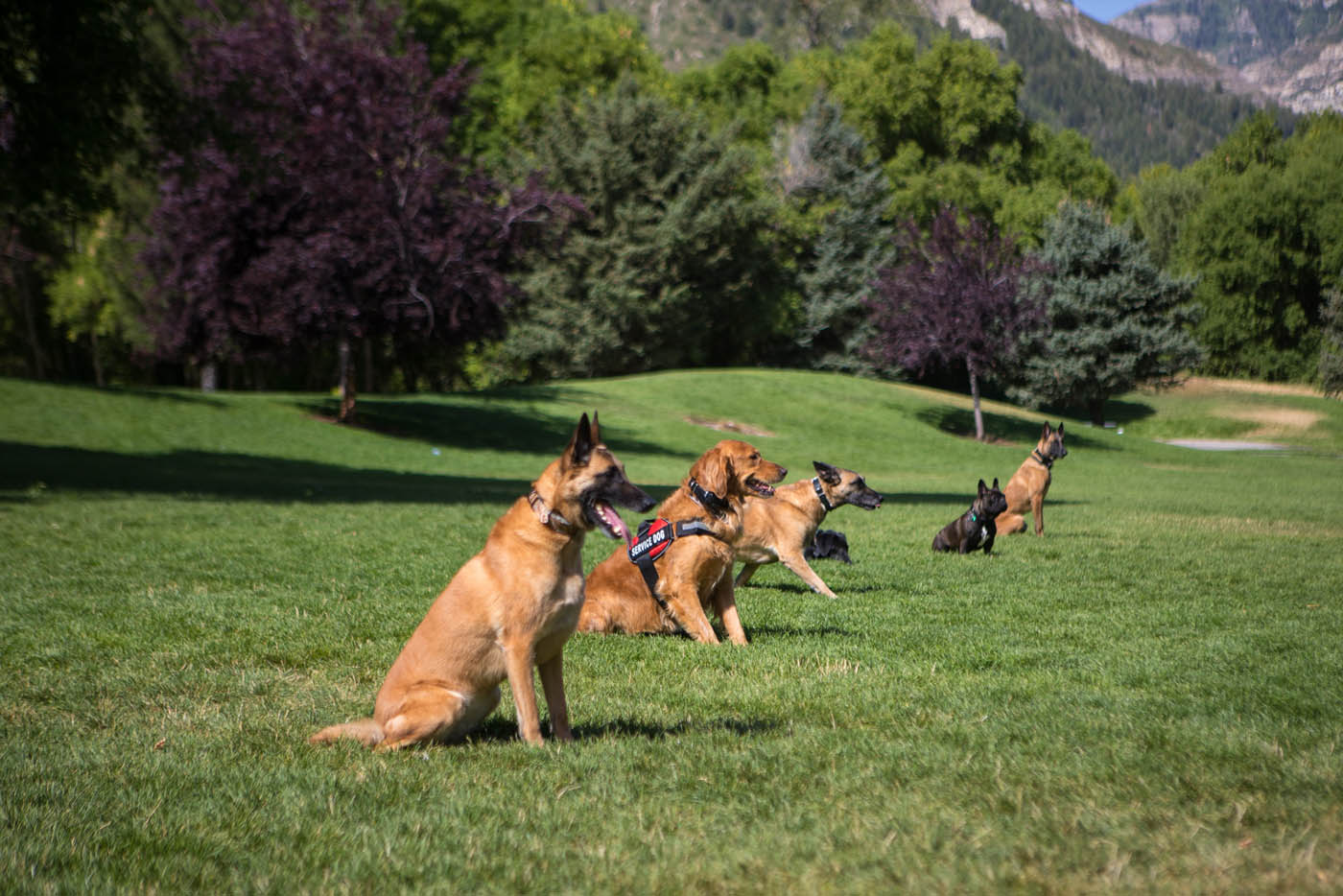
Furthermore, determination is important. Regular practice strengthens habits and commands, making sure that the pet preserves what has actually been found out. It's vital to commemorate tiny victories, as they encourage both the proprietor and the pet dog to maintain advancing. Acknowledging troubles as next page part of the trip as opposed to failures can aid maintain inspiration. Ultimately, an individual and persistent approach not only constructs a stronger bond between canine and proprietor but likewise lays the foundation for efficient training and long-term obedience.
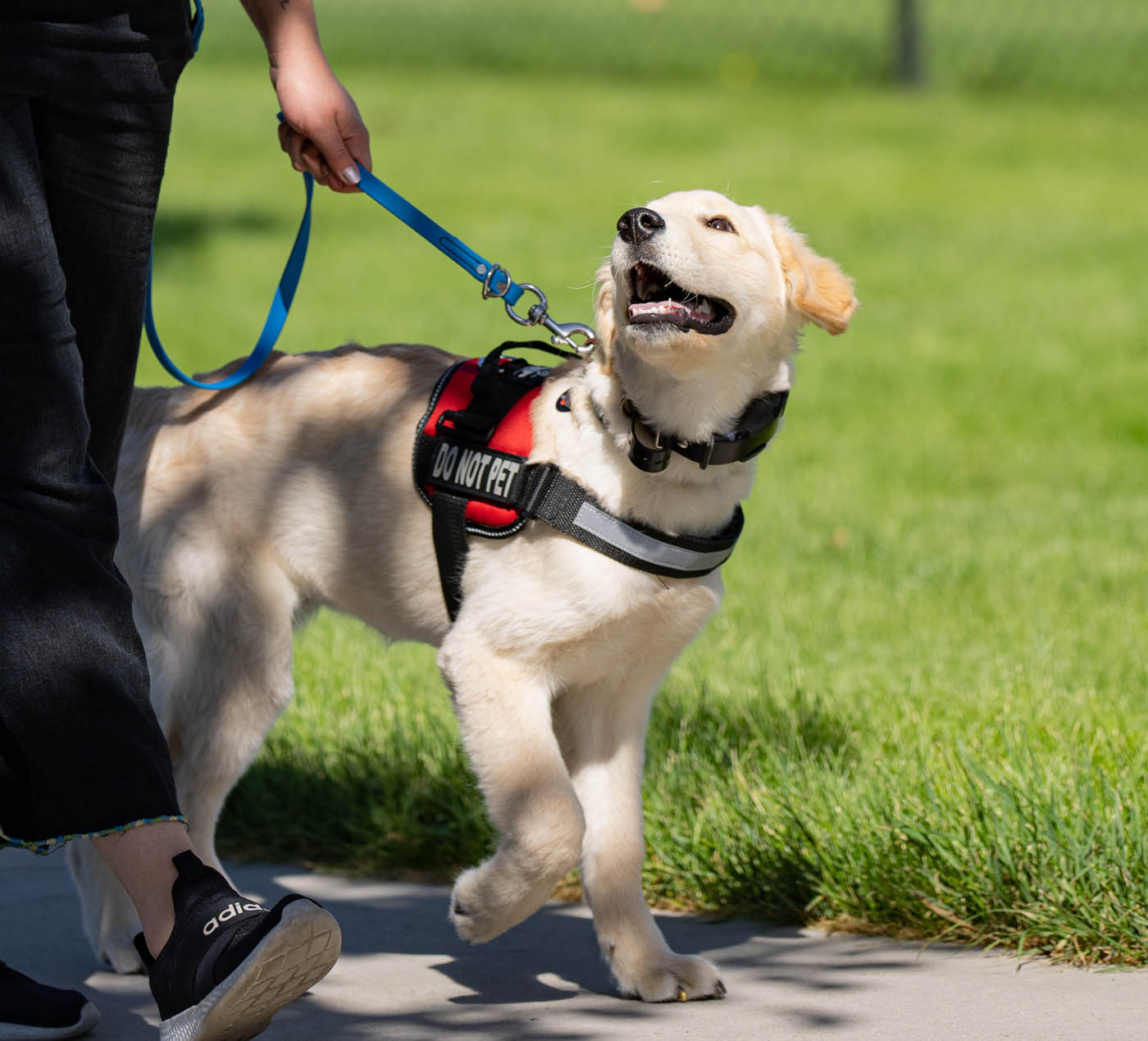
Integrate Educating Into Life
Including training right into day-to-day live can boost a dog's understanding experience. Regular activities, such as feeding or walking, existing beneficial possibilities for favorable support. By flawlessly blending training with everyday actions, owners can cultivate better actions in their animals gradually.
Daily Regimen Integration
How can pet proprietors flawlessly mix training right into their daily routines? By incorporating training sessions right into day-to-day activities, owners can boost their pet dog's understanding experience. Easy commands can be practiced during strolls, such as "rest" before going across roads or "heel" while maneuvering through parks. Feeding time offers an additional possibility; owners can include commands like "wait" or "leave it" before providing the food bowl. In addition, play can work as a training ground for commands like "bring" or "drop it." Consistency is vital; by installing training into routine tasks, pets learn that commands are relevant in numerous contexts. This technique not only enhances discovering but likewise strengthens the bond between the pet dog and its proprietor.
Positive Reinforcement Opportunities
Educating chances are plentiful throughout a dog's life, particularly when incorporated with positive support techniques. Everyday activities provide minutes for training, such as throughout walks, feeding times, or play sessions. Rewarding a dog for sitting prior to receiving food improves obedience while promoting a favorable association with commands. Similarly, applauding a pet for comfortably greeting visitors reinforces desirable behavior. Incorporating training into playtime, like utilizing bring to practice commands, can likewise work. Proprietors should remain constant, making use of see this website deals with, praise, or toys as rewards to encourage etiquette. By integrating training perfectly into everyday regimens, proprietors can grow a mannerly pet dog while strengthening their bond, making the training process satisfying for both celebrations.
Frequently Asked Concerns
What Age Is Best to Start Training My Pet?
Figuring out the very best age to start training a pet differs; however, experts often suggest beginning around 8 weeks. Early training fosters socializing, develops regimens, and helps shape favorable actions, advertising a well-adjusted, loyal buddy.
Just How Can I Quit My Canine From Barking Excessively?
To reduce too much barking, one effective approach entails determining triggers, offering constant training commands, and gratifying peaceful behavior. In addition, routine workout and psychological stimulation can assist minimize unnecessary barking by resolving monotony or stress and anxiety.
What Should I Do if My Dog Ends Up Being Aggressive?
When a canine displays aggression, it is important to remain tranquil and prevent battle. Determining triggers, seeking specialist help, and using favorable support methods can effectively handle and decrease hostile habits in pets.
How Do I Pick the Right Training Tools?
Picking the ideal training devices entails reviewing the dog's character, training, and dimension goals. Study various alternatives, seek advice from specialists, and focus on humane, efficient tools that advertise favorable support for an effective training experience.

Can I Train My Pet Dog Without Specialist Help?
Training a pet dog without specialist assistance is possible for several owners. With devotion, persistence, and regular practice, individuals can successfully educate basic commands and reinforce positive habits, cultivating a solid bond between them and their pet.
A constant routine lays the groundwork for efficient training, however the methods used during training sessions substantially affect a pet's learning experience. Effective canine training needs keeping sessions short and engaging to maintain the dog's interest and enthusiasm. Achieving realistic training goals lays the foundation for a well-rounded dog, yet socializing plays a significant function in a dog's growth. In addition, discovering and observing other pet dogs from their habits can even more enhance a dog's social abilities. Selecting the right training devices entails examining the canine's size, temperament, and training objectives.
Comments on “The Benefits of Finding Professional Dog Training Near Me for Puppies”